
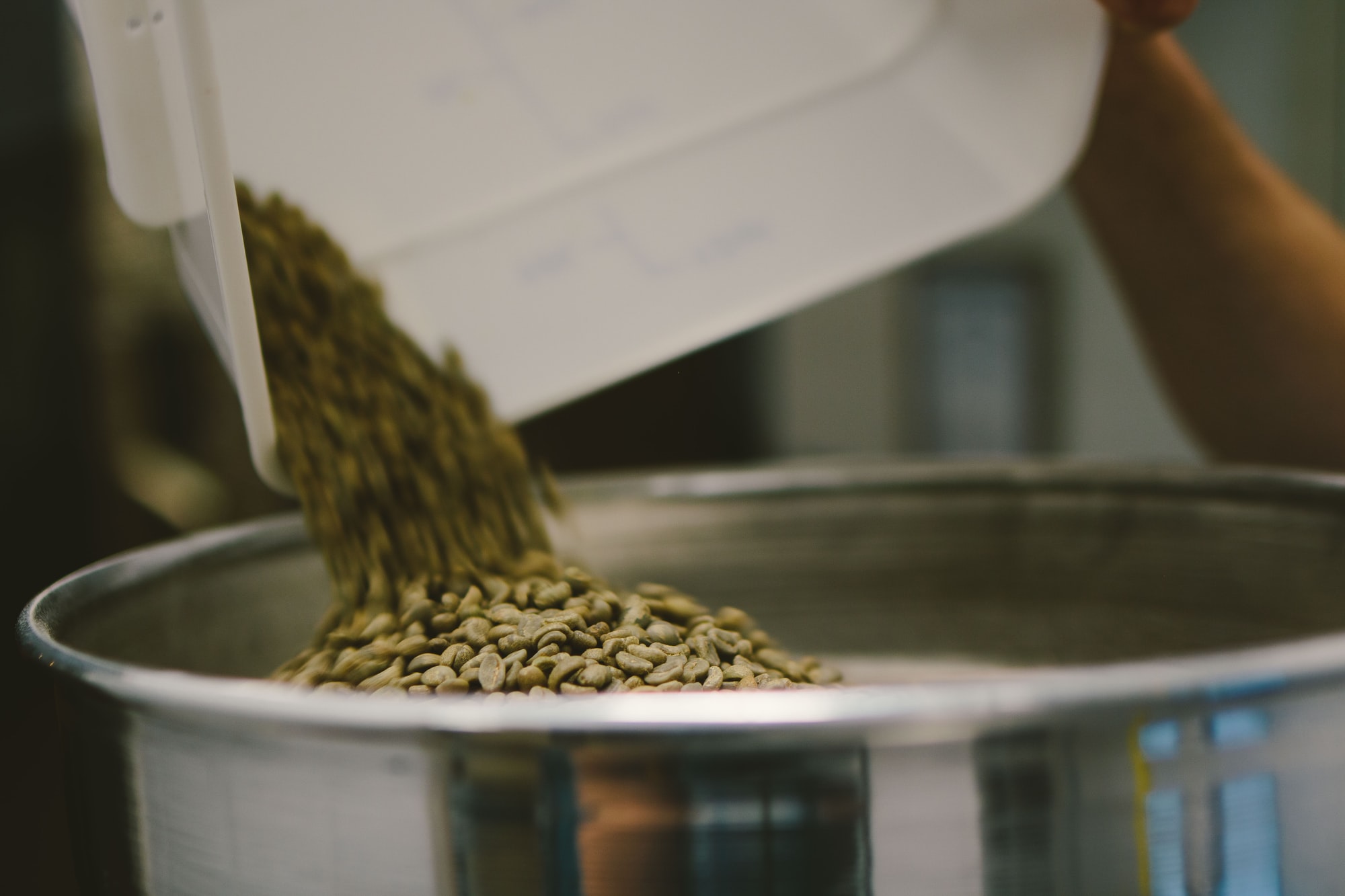
Learn how decaf coffee is made
Did you ever wonder how decaf coffee is made? I did. That's why I did some good research on the internet to find the most popular ways of decaffeinating coffee beans, and the methods absolutely blow my mind.
In this article I will share with you three different methods, so you can understand them and learn their differences. As science advances, so do the techniques to treat our food, and these decaf methods are the proof of that.
Article Index:
What is decaf coffee
How is it created
Method 1
Method 2
Method 3
How much caffeine does decaf have?
Bottom line
What is decaf coffee
Decaf is short for decaffeinated. With some processes, we can extract the caffeine from coffee beans while preserving its flavor and aroma.
Although it might seem like a scam, decaf has some caffeine in it. This is because the extraction process can take out about 97% of this component from coffee beans.
If you want to know more about the amount of caffeine in decaf (which is extremely low), you can check this article from Coffee Devotion: Decaf coffee has caffeine? Believe it or not, yes.
How is it created
Method 1
The most common method to extract caffeine from coffee beans is made with water and chemical solvents.
Here we can find the direct and indirect method. The first one, coffee beans are repeatedly steamed and then rinsed. With this process, a big amount of caffeine is removed from coffee beans.
In the indirect method, solvents do not touch coffee beans at any moment. Chemicals work directly over the water where beans have been soaked for hours. Caffeine is eliminated from that water, but coffee flavors remain in it, so after that process the solution is reintroduced to the coffee beans so they can have the flavor back but with much less caffeine.
Both processes are strictly regulated so chemicals are rinsed or evaporated before consumers drink it, so they are completely safe.
Method 2
Now we are going to talk about the Swiss Water Process, a very interesting and smart way to extract caffeine from coffee by mastering the concept of saturation. This method only uses water and a carbon filter and it is 100% chemical free.
The first step is to immerse the green coffee beans in hot water. Here extraction will ocurre and water will be loaded with different things, just like caffeine and coffee flavor.
The next step is to run this solution through a carbon filter that is going to capture only the caffeine particles. The result of this is what is called Green Coffee Extract (or GCE), a liquid saturated in all coffee beans components but caffeine.
Initial coffee beans are discarded. New green coffee beans are introduced on the Green Coffee Extract, which will have the power to only extract caffeine from them. Other components of the coffee are not extracted because GCE is saturated with them, so it is not able to dilute them.
The final step is to roast the coffee beans, while the Green Coffee Extract can be used again in another batch.
Swiss Water Process is very effective and 100% chemical free.
Method 3
The last method we are going to see in this article is called the supercritical carbon dioxide method, and its epic name is also reflected in the crazy way this works.
Carbon dioxide is used under high pressure and temperature, to achieve a gas and liquid state. The CO2 penetrates the coffee beans as a gas and becomes liquid in the interior, dissolving caffeine.
How much caffeine does decaf have?
An 8 ounce cup of regular coffee has between 90 to 200 mg of caffeine, depending on the brewing system, type of bean and grind you use. Decaf coffee only has between 2 and 15 milligrams per 8 ounce, also depending on the factors we named before.
Although decaf coffee is not complete decaf, it has way less caffeine than regular coffee. In the process of decaffeination, beans are exposed to a treatment that takes up to 97% of the caffeine content.
In the US there is no regulation of how much caffeine a decaf coffee has, but you can call a coffee decaf if it has lost at least 97% of its original caffeine. That's the reason we find some variants in decaf coffee, because normal coffee beans also have some natural variations in caffeine.
A good way to find the less caffeinated decaf coffee is knowing which kind of roast and type of bean have less caffeine naturally. You can find all this information in these two articles: The ultimate coffee beans guide & 5 types of coffee roast you must know.
Bottom line
The process of decaf coffee beans is very interesting. Did you knew them?
Decaf coffee is an excellent option for those people who can not tolerate caffeine, so it is very satisfying to see that there are plenty and effective methods to make coffee adequate for everyone.
Do you prefer decaf coffee over regular coffee? Are you willing to try it now that you know the whole process?