
5 types of coffee roast you must know
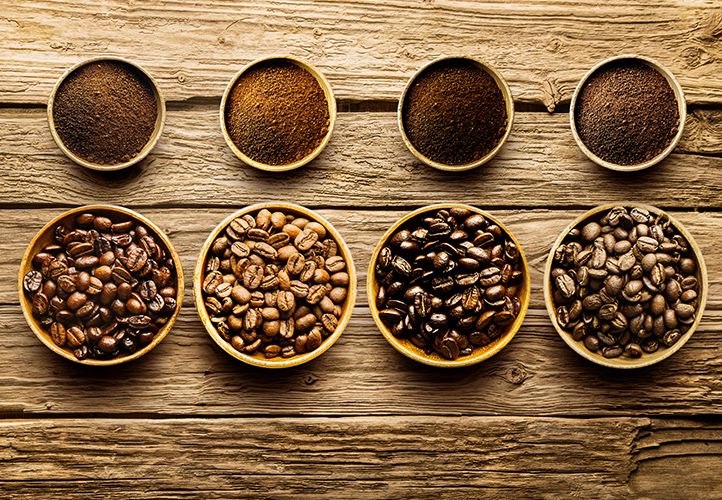
From the plant to our machine, coffee beans have a roasting process. This is a critical place where coffee flavor is determined. There are 5 main types of coffee roast: white, light, medium, medium dark and dark.
Different levels of roasting will give us variations in the aroma, acidity, texture and flavor of our coffee. In this article we are also going to talk about coffee grind sizes and over and under extraction, so if you don't know those terms we recommend you read our article where we explain them.
After a long investigation I wrote this article in which i will explain to you the main differences between each roast, including the white roast coffee, one of the stranger ones around the world.
In this article you can read:
The 5 types of coffee roast
White roast coffee
Light roast coffee
Medium roast coffee
Medium dark coffee
Dark roast coffee
How does the coffee roasting process work?
Your move
The 5 types of coffee roast
White roast coffee
The less roasted coffee is known as withe roast. Here we must be careful to not confuse this with the category of withe coffees, which are beverages that use milk in their preparation (such as flat white).
In this process, raw beans are toasted for a short period of time at a lower temperature than the other kind of roasts. The result is a lighter color bean but more dense. This is why it's almost always sold already grounded, because the bean hardness can ruin your home grinder.
White roast coffee flavor is extremely different to traditional coffee. Starting from its texture, many people who tried it describe it as drinking tea. In here we wont have any of those roasty, chocolate notes characteristic form coffee, but just a nutty flavor, something that to some people results disgusting.
The other two big differences of this roasting method is that coffee remains with a bigger amount of caffeine in comparison to traditional roasting and is believed to retain more from the antioxidant chlorogenic acid.
Light roast coffee
With a light brown roast color, this variety of roasting starts to look much more similar to the coffee we are used to. When you roast your coffee beans you lose caffeine and acidity. Light roast coffee spends a short time inside the roaster, so we will find a good amount of caffeine and acidity (white roast coffee has more of both).
Light roast results in a fruity flavor and fragrance coffee, with not so much density and high acidity. For an adequate extraction, you need a longer time of contact between coffee and water, so that's the reason why many people chose this roast type for cold brews.
Roasting temperature: 195° C - 205° C.
Other names: Cinnamon roast, New England, Light City, Half City.
Medium roast coffee
One of the most versatile roasts for coffee beans. With a pale brown color, this is a good point where acidity and nutty and chocolate notes are balanced.
Probably the kind of roast that the majority of people are used to, because it adapts pretty well to different brew methods: moka, espresso, automatic drip, etc. With medium roast coffee we need less time for an adequate extraction than the light roast, so we can use it in more coffee machines. But remember, extraction also depends on the grinds so check this article.
With the medium roast coffee we will find a balanced acidity, some sweetness and balanced flavors in our cup.
Roasting temperature: 210° C.
Other names: American, City, Regular, Breakfast
Medium dark coffee
We are starting to abandon acidity and make place for the bitterness. This kind of roast is widely used in espresso machines, french press and aeropress.
You will have a bitter cup of coffee, with more body and almost nothing of acidity, thicker consistency and deep aroma.
Roasting temperature: 225° C.
Other names: Full city, light espresso, light french, after dinner, viennese.
Dark roast coffee
The stronger one but also a very popular one. Dark roast coffee is mostly used in espresso and also in many Starbucks beverages.
The coffee beans are deeply roasted until dark chocolate color, resulting in a cup of coffee with an extra bold body, heavy mouthfeel and less acidity.
As extraction occurs considerably fast you have to be careful of not over extracting your coffee. If you are not so familiar with this term, we recommend you to read the article about over and under extraction.
Roasting temperature: 240° C.
Other names: Espresso, French, European, New Orleans, High, Italian, Spanish.
How does the coffee roasting process work?
Before being roasted and taking the appearance we all know, coffee beans are inside a coffee cherry, without any aroma or taste as we are used to. These are called green coffee beans, and there is no reason to do an infusion with them because they are tasteless.
Exposing the seeds of the coffee cherry to temperatures is the first step to have a good quality coffee cup. As we have seen before, there are diverse roasting temperatures and there is no one better than the other, just different and suitable for other recipes. We need to choose our coffee roast according to the brew method that we are going to use and the amount of acidity we want, remember than the less the bean is roasted the more acidity in our coffee. However, high quality beans should never be toasted at 250°C or higher if you don't want to have a completely burnt taste in your mouth.
Your move
Now you know all the fundamentals of coffee roasting. Have you tried all of them? Let us know in the comments and tell us which one was your favorite and if you could note the differences. If not, you can start trying the most and less roasted coffee so you can easily spot the difference. Then you can test the medium and medium dark and see if you notice in which aspects they change.